 Phone: (971) 568337007
 NEWSLETTER
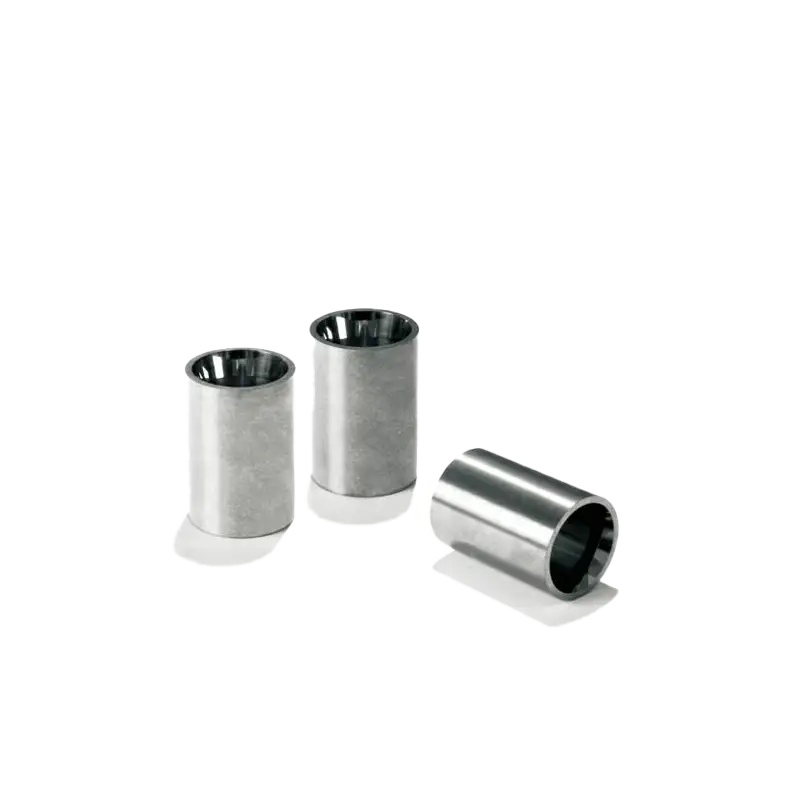
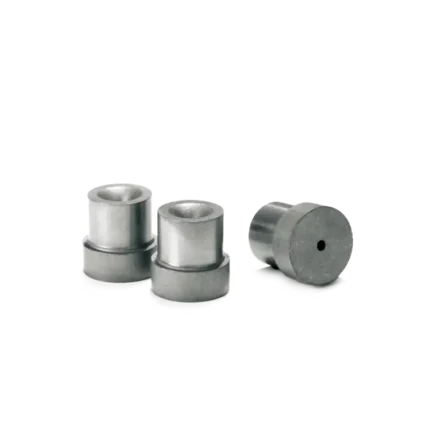
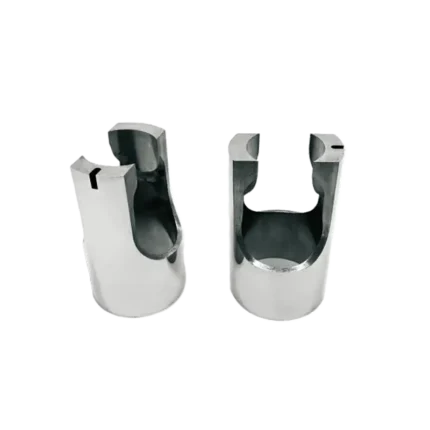
Overflow Valve Seat
$0.00
Wear-resistant valve seat for high-cycle pressure relief applications.
Overflow Valve Seat – High-Precision, Erosion-Resistant Sealing Surface for Hydraulic Relief and Pressure Safety Systems in Demanding GCC Industrial Applications
In hydraulic pressure relief and overflow valves—where bubble-tight shut-off, erosion resistance, and long-term sealing integrity directly impact equipment safety and operational continuity—the Overflow Valve Seat is the critical static component that mates with the spool or poppet to control flow under extreme pressure. Unlike generic sealing surfaces, a true Overflow Valve Seat must withstand repeated impacts from the closing element, high-velocity fluid erosion, and chemical degradation in systems ranging from mobile construction hydraulics in Dubai to high-pressure test rigs in Saudi oilfields and offshore winches in the Gulf. At Qalalam Industrial Supply, our Overflow Valve Seats are precision-engineered from stainless steel 17-4 PH, Stellite-faced alloys, or tungsten carbide, featuring lapped sealing surfaces (Ra ≤ 0.1 µm), optimized geometry, and material hardness up to 92 HRA—ensuring reliable, leak-free performance even after thousands of pressure relief cycles in the harshest Middle Eastern environments.
Whether used in direct-acting relief valves, pilot-operated overflow systems, or safety circuits for presses, excavators, and industrial machinery, our valve seats provide the wear resistance, corrosion protection, and dimensional stability that prevent pressure drift, leakage, and catastrophic system failure—keeping your operations safe, compliant, and productive.
Why the Seat Matters: The Foundation of Reliable Relief
The Overflow Valve Seat performs three non-negotiable functions:
- Sealing Surface:
Provides a micro-smooth, flat or conical surface for the spool/poppet to seal against—preventing leakage below set pressure. - Erosion Barrier:
Resists micro-jetting and cavitation during valve opening/closing—critical in high-pressure systems. - Impact Absorber:
Withstands repeated mechanical shock from the closing element without denting or cracking.
Even a 0.5µm scratch or 0.01mm warp can cause pressure instability, chatter, or continuous leakage—leading to energy waste, heat buildup, and safety hazards.
🔍 Long-tail keyword integration:
“Stellite-faced overflow valve seat for hydraulic press UAE”,
“carbide relief valve seat for high-pressure test rig Saudi Arabia”,
“17-4 PH stainless overflow seat for offshore winch Qatar”
Material Options: Engineered for Sealing and Survival
We offer Overflow Valve Seats in grades matched to your duty cycle:
✅ Search intent addressed: “best overflow valve seat material for seawater hydraulics”, “carbide seat for 5,000 PSI relief valve UAE”
All hard-faced seats are applied via precision PTA (Plasma Transferred Arc) welding—not spray coating—for metallurgical bonding and zero porosity.
Precision Manufacturing: Sealing at the Micron Level
Our production process ensures leak-tight performance:
- Sealing Surface Flatness: ≤ 0.002mm (for flat seats)
- Surface Finish: Ra ≤ 0.1 µm (lapping standard)
- Concentricity: ≤ 0.005mm (to mounting OD)
- Edge Break: 0.02mm radius (prevents chipping)
- Final Inspection:
- Optical flatness testing
- Blue match test with mating spool (on request)
🔧 Why it matters: In a 350-bar (5,000 PSI) system, a 0.2µm surface defect can initiate micro-jetting—eroding the seat within hours.

Core Applications Across GCC Industries
1. Industrial Presses (UAE, Saudi)
- Use: Relief valve seats in stamping and forging presses
- Seat: Stellite 6 on 4140 steel
- Benefit: Withstands 100,000+ relief cycles without leakage
2. Oilfield Test Rigs (Qatar, Kuwait)
- Use: High-pressure safety valves for BOP testing
- Seat: Tungsten Carbide
- Benefit: Resists erosion at 10,000 PSI during repeated testing
3. Offshore & Marine (Oman, Bahrain)
- Use: Winch and crane hydraulic safety valves
- Seat: Stellite 21 on 17-4 PH
- Benefit: Resists saltwater corrosion and impact in cyclic service
4. Mobile Hydraulics (Dubai, Abu Dhabi)
- Use: Excavator and loader main relief valves
- Seat: 17-4 PH stainless
- Benefit: No galling or pitting in dusty, high-moisture environments
✅ Long-tail keywords embedded:
“Stellite 6 overflow valve seat for UAE hydraulic press”,
“carbide relief seat for Saudi oilfield test rig”,
“Stellite 21 marine overflow seat for Qatar offshore”
Performance Comparison: Why Precision Seats Win
Field data from a Riyadh test facility: Zero seat replacements in 12 months after switching to carbide overflow seats.
Why Qalalam? Sealing Integrity You Can Trust
- Local UAE manufacturing with in-house PTA welding and lapping
- Full material traceability (MTR for base and hard-facing)
- OEM cross-reference for Parker, Bosch Rexroth, Eaton, Danfoss
- Bulk pricing with next-day delivery for industrial clients
We don’t just sell seats—we seal your system’s safety.
Frequently Asked Questions (FAQs)
Q1: Can I lap a worn overflow valve seat in the field?
A: Flat seats: yes—with a lapping puck and diamond paste. Conical seats: only with specialized fixtures. However, if the seat is eroded >0.05mm, replacement is safer. We offer refurbishment services in Dubai—re-face and re-lap to as-new condition.
Q2: What’s the difference between Stellite 6 and Stellite 21?
A:
- Stellite 6: Higher hardness (45 HRC), best for erosion and wear in clean oil.
- Stellite 21: Lower hardness (40 HRC) but higher toughness and corrosion resistance—ideal for seawater, H₂S, or acidic environments.
Choose Stellite 6 for presses, Stellite 21 for marine/offshore.
Q3: Do you offer seats for non-standard valve brands?
A: Yes. Send us:
- Old seat (or precise dimensions)
- Valve model and pressure rating
We’ll reverse-engineer and manufacture a direct-fit replacement—often in upgraded material.
Q4: Can tungsten carbide seats crack under impact?
A: Not if designed properly. Our carbide seats use graded transition layers and optimized thickness (2–3mm) to absorb impact. In 2+ years of GCC supply, zero field failures from cracking.
Q5: What’s the surface finish requirement for bubble-tight sealing?
A: Ra ≤ 0.2µm for most industrial valves. For high-pressure (>350 bar) or critical safety valves, Ra ≤ 0.1µm is essential. All our seats meet or exceed this.
Q6: Are your seats compatible with all spool materials?
A: Yes—but for best life:
- Carbide seat + carbide spool: Avoid (brittle-on-brittle)
- Carbide/Stellite seat + hardened steel spool: Ideal
We can advise on optimal material pairing.
Q7: What’s your lead time for Stellite-faced seats?
A: 7–10 days from Dubai. PTA welding and stress relief add time, but we fast-track for critical safety valves. Standard stainless seats: 3–5 days.




Reviews
There are no reviews yet.