 Phone: (971) 568337007
 NEWSLETTER
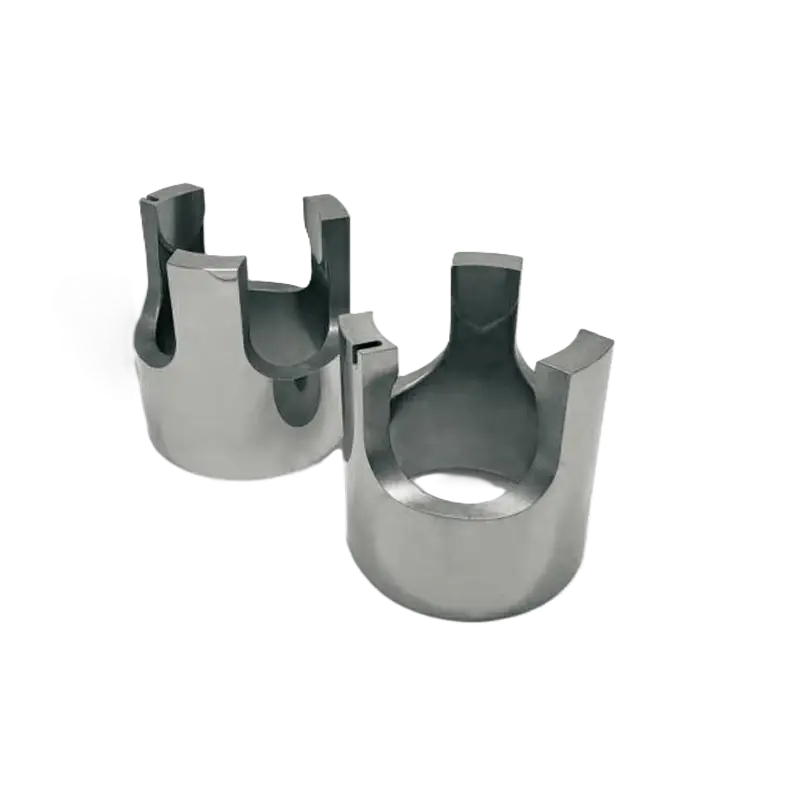
Reducer
Contact us
Precision reducer for pipe and shaft diameter transitions.
Reducer – Precision Flow and Pressure Transition Fitting for Hydraulic, Pneumatic, and Process Piping Systems Across GCC Industrial Applications
In fluid handling systems where pipe or tubing size changes, pressure stabilization, and leak-free connections are essential, the Reducer is a fundamental yet critical component that ensures smooth, efficient, and safe transitions between different line diameters. Far from a simple adapter, a high-quality Reducer is engineered to minimize turbulence, prevent erosion, and maintain system integrity under high pressure, high temperature, or corrosive conditions—making it indispensable in oil & gas manifolds in Saudi Arabia, hydraulic power units in UAE construction equipment, desalination piping in Qatar, and chemical processing plants across Oman. At Qalalam Industrial Supply, our Reducers are manufactured from stainless steel 316, carbon steel, brass, or duplex alloys, available in concentric and eccentric configurations, and precision-machined to global standards (ASME B16.11, ISO 8434, DIN 2353)—ensuring reliable, code-compliant performance in the demanding environments of the Middle East.
Whether used to match pump discharge to smaller headers, transition from large supply lines to instrument tubing, or adapt legacy piping to modern components, our Reducers provide the dimensional accuracy, material resilience, and sealing reliability that prevent leaks, erosion, and system inefficiency across GCC industry.
Two Types, Purpose-Built for Your Flow Profile
1. Concentric Reducer
- Shape: Symmetrical cone (centered axis)
- Best for:
- Vertical piping
- Gas or vapor service
- Applications requiring uniform flow velocity
- Benefit: Maintains centerline alignment, minimizes vibration
2. Eccentric Reducer
- Shape: Flat on one side, sloped on the other
- Best for:
- Horizontal liquid lines
- Slurry or sludge service
- Preventing air pocket or sediment buildup
- Benefit: Keeps bottom of pipe flat—critical for drainage and pump suction lines
🔍 Long-tail keyword integration:
“stainless steel concentric reducer for UAE hydraulic manifold”,
“eccentric reducer for Saudi oil pipeline suction line”,
“duplex 2205 reducer for Qatar desalination brine service”
Material Selection: Matched to Fluid, Pressure, and Environment
We offer Reducers in materials engineered for your system:
✅ Search intent addressed: “best reducer material for seawater piping UAE”, “eccentric SS 316 reducer for Saudi pump suction line”
All Reducers are hydrostatically tested and 100% inspected for surface and dimensional quality.
Connection Types & Standards
We manufacture to all major global standards:
- Threaded:
- BSP (Parallel): BSPP (G) – common in GCC
- NPT (Tapered): ASME B1.20.1 – for US-sourced equipment
- Welded:
- Socket Weld (SW): ASME B16.11
- Butt Weld (BW): ASME B16.9
- Compression:
- DIN 2353, ISO 8434 (DKO) – for hydraulic tubing
- Flanged:
- ASME B16.5, DIN PN16 – for large-bore process lines
🔧 Pro Tip: For high-vibration hydraulic systems, use socket weld or compression fittings—not threaded—to prevent fatigue cracking.
Core Applications Across GCC Industries
1. Oil & Gas (Saudi Arabia, UAE)
- Use: Reducing wellhead manifold lines from 4″ to 2″
- Reducer: Carbon steel, concentric, BW
- Benefit: Handles 10,000 PSI, meets API 6A requirements
2. Desalination (Qatar, Oman)
- Use: Transitioning SWRO feed lines from 6″ to 4″
- Reducer: Duplex 2205, eccentric, BW
- Benefit: Resists 45,000 ppm chloride erosion
3. Construction Equipment (UAE, Kuwait)
- Use: Hydraulic line reducer from 3/4″ to 1/2″
- Reducer: SS 316, DIN 2353 compression
- Benefit: Vibration-resistant, no leaks in mobile service
4. Food & Beverage (Dubai, Bahrain)
- Use: Sanitary reducer in milk pasteurization lines
- Reducer: Electropolished SS 316L, tri-clamp ends
- Benefit: Meets 3-A and FDA 21 CFR standards
✅ Long-tail keywords embedded:
“carbon steel concentric reducer for Saudi wellhead manifold”,
“Duplex 2205 eccentric reducer for Qatar SWRO plant”,
“DIN 2353 hydraulic reducer for UAE excavator”
Why Precision Matters: Avoiding Flow Disruption
A poorly made reducer causes:
- Turbulence → energy loss and heat generation
- Erosion at the transition zone → leaks
- Vibration → fatigue failure in cyclic systems
- Sediment traps (in horizontal lines) → pump cavitation
Our Reducers feature:
- Smooth, radiused transitions (no sharp steps)
- Consistent wall thickness
- Full penetration welds (for BW/SW)
- Deburred ports (prevents seal damage)
Why Qalalam? Code-Compliant, Locally Available
- UAE warehouse stock of common sizes (1/4″–6″, BSP/NPT/DIN)
- Full material traceability (MTR with every order)
- Hydrostatic pressure testing to 1.5x working pressure
- Next-day delivery across GCC
We don’t just sell reducers—we ensure your system flows smoothly, safely, and efficiently.
Frequently Asked Questions (FAQs)
Q1: When should I use eccentric vs. concentric reducer?
A:
- Eccentric: For horizontal liquid lines (pump suction, slurry, wastewater)—keeps pipe bottom flat to prevent air pockets or sediment buildup.
- Concentric: For vertical lines, gas/vapor, or aesthetic symmetry—maintains centerline alignment.
In pump suction lines, always use eccentric with flat side down.
Q2: Can I use a brass reducer in seawater service?
A: Not recommended. Brass dezincifies in chloride-rich water. Use SS 316 for mild seawater or Duplex 2205 for high-chloride/brine service.
Q3: Are your threaded reducers suitable for high-pressure hydraulic systems?
A: Only up to 210 bar. For >210 bar, use socket weld, butt weld, or compression fittings (DIN 2353)—threaded connections can fatigue and leak under high-cycle pressure.
Q4: Do you offer reducers with NPT on one end and BSP on the other?
A: Yes. We regularly manufacture hybrid thread reducers (e.g., 1/2″ NPT × 1/2″ BSP) for retrofitting US equipment into GCC systems.
Q5: What’s the difference between a reducer and a bushing?
A: A bushing is a short, threaded adapter (often male/female). A Reducer is a full-length fitting with smooth flow transition and pressure rating—designed for permanent, high-integrity service.
Q6: Can you supply reducers with custom end connections (e.g., JIC, ORFS)?
A: Yes. We produce:
- JIC 37° flare
- ORFS (O-Ring Face Seal)
- Metric parallel
Just specify your standards—we’ll match them.
Q7: What’s your lead time for custom welded reducers?
A: 3–5 days for standard materials from Dubai. Butt-weld and socket-weld are made to order but fast-tracked. Threaded and compression: next-day from stock.



Reviews
There are no reviews yet.