 Phone: (971) 568337007
Blog
Hydrogen Pumps and the Future of Seal Technology: Powering the Clean Energy Revolution

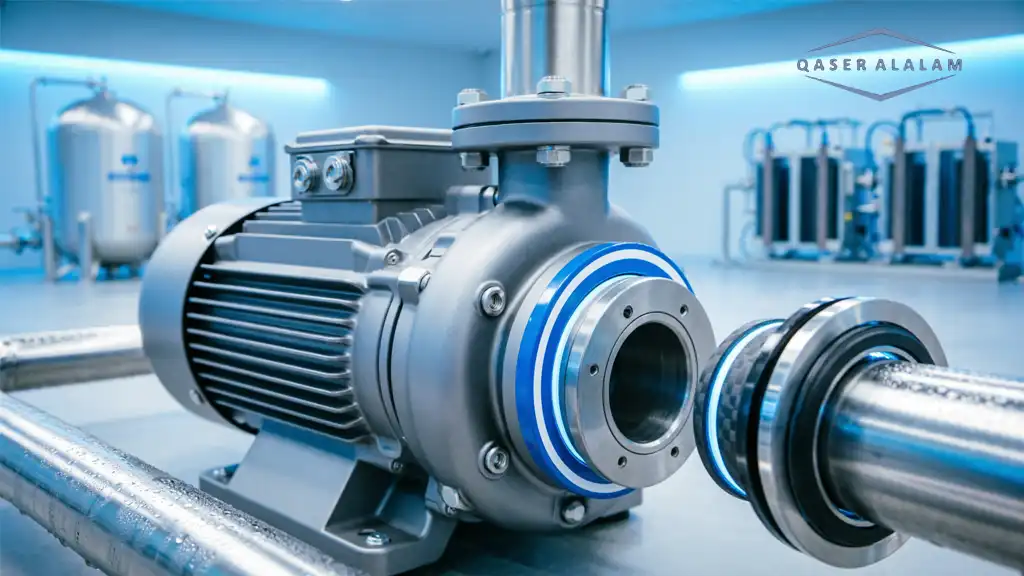
In today’s world, where climate change and environmental pollution have become humanity’s primary challenges, the search for clean and sustainable energy sources has gained unprecedented importance. Hydrogen is recognized as one of the most promising energy carriers of the 21st century. This element is the lightest and most abundant in the universe, and when burned, it produces only water without emitting harmful greenhouse gases. However, the widespread use of hydrogen as an energy source faces numerous technical challenges, with sealing technology being one of the most critical.
Sealing technology plays a vital role in the safety, efficiency, and durability of hydrogen-based systems. Hydrogen pumps, serving as the beating heart of many industrial hydrogen applications, require advanced sealing systems capable of withstanding harsh operating conditions. This article provides a comprehensive examination of hydrogen pumps, sealing technology challenges, recent innovations, and the future outlook of this industry.
The Importance of Hydrogen in the Clean Energy Transition
Hydrogen, as a flexible energy carrier, holds tremendous potential for reducing dependence on fossil fuels. This gas can be utilized across various industries, including transportation, power generation, residential heating, and industrial processes. Unlike electric batteries that face limitations in storage capacity and charging time, hydrogen enables large-scale energy storage for extended periods.
Hydrogen applications in the transportation sector are particularly noteworthy. Hydrogen fuel cell vehicles can travel longer distances compared to battery-electric vehicles, and their refueling time is similar to conventional gasoline cars. Additionally, hydrogen can replace fossil fuels in heavy industries such as steel, cement, and petrochemicals, contributing significantly to carbon emission reduction.
However, fully harnessing hydrogen’s potential requires addressing multiple technical challenges. Hydrogen is the smallest molecule in nature and has a strong tendency to permeate through various materials. This characteristic makes designing appropriate sealing systems to prevent hydrogen leakage extremely difficult. Hydrogen leaks not only result in energy waste but can also create serious safety hazards, as hydrogen can mix with air at certain concentrations and become flammable.
Hydrogen Pumps: Types and Applications
Hydrogen pumps are essential equipment in the hydrogen supply chain, responsible for transferring, compressing, and distributing this gas. Depending on the application and operating conditions, various types of hydrogen pumps have been developed, each with specific advantages and disadvantages.
Diaphragm Pumps
Diaphragm pumps are among the most common types of hydrogen pumps, where a flexible diaphragm performs reciprocating motion to displace hydrogen. The main advantage of these pumps is the absence of direct contact between moving parts and hydrogen, which reduces contamination and leakage risks. Diaphragm pumps are typically suitable for applications with medium pressure and low to medium flow rates.
Piston Pumps
Piston pumps are ideal for applications requiring very high pressures. These pumps can compress hydrogen to pressures of 700 bar or higher, which is essential for hydrogen vehicle refueling stations. However, piston pumps require more complex sealing systems, as the piston must move within the cylinder, and preventing hydrogen leakage around the piston is challenging.
Centrifugal Pumps
Centrifugal pumps are suitable for applications with high flow rates and relatively low pressure. These pumps use centrifugal force to transfer hydrogen and are typically used in large industrial processes. Although centrifugal pumps offer high efficiency, designing their shaft sealing systems requires considerable precision.
Screw Pumps
Screw pumps use two or more intermeshing screws that, upon rotation, transfer hydrogen from inlet to outlet. These pumps create uniform flow and exhibit minimal vibration, which is advantageous for certain applications. However, the very small clearance between screws requires high manufacturing precision and effective sealing systems.
Pump Type Pressure Range Flow Rate Best Application Sealing Complexity Diaphragm Low to Medium Low to Medium Laboratory, Small-scale Moderate Piston Very High (up to 700+ bar) Low Refueling Stations High Centrifugal Low to Medium High Industrial Processes Moderate to High Screw Medium Medium to High Continuous Operations High 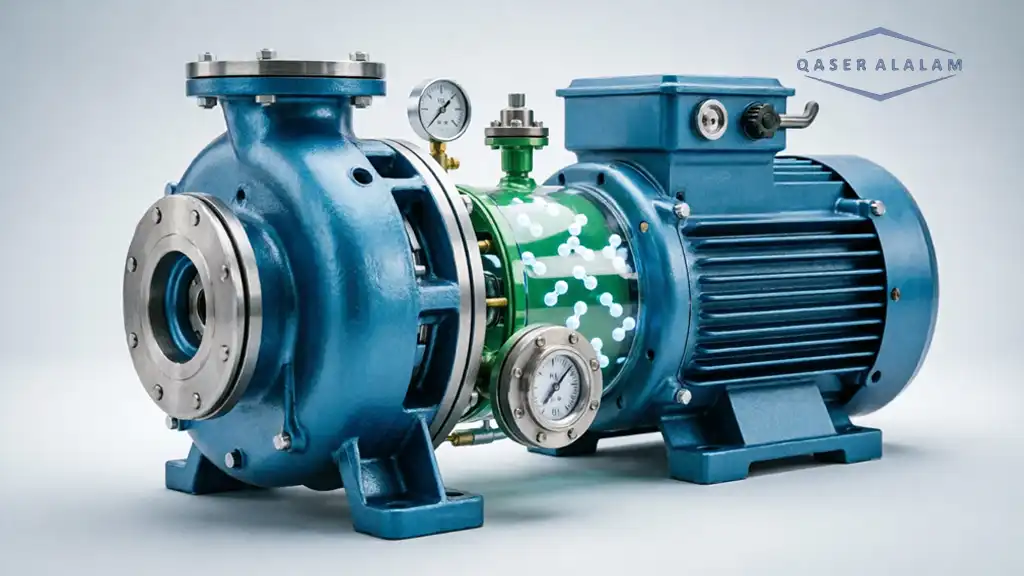
Sealing Technology Challenges in Hydrogen Pumps
Designing appropriate sealing systems for hydrogen pumps involves unique challenges stemming from hydrogen’s physical and chemical properties. Understanding these challenges is essential for developing efficient sealing technologies.
High Hydrogen Permeability
The hydrogen molecule is the smallest in nature, with a diameter of only about 2.9 angstroms. This small size allows hydrogen to permeate through microscopic pores in various materials. Even materials that appear impermeable to other gases may be permeable to hydrogen. This phenomenon, known as “hydrogen permeation,” is one of the primary challenges in sealing system design.
Hydrogen Embrittlement
Hydrogen can weaken the mechanical properties of many metals, a phenomenon known as “hydrogen embrittlement.” When hydrogen enters the crystalline structure of metals, it can cause micro-crack formation and reduce material strength. This issue is particularly problematic in stressed components such as gaskets, O-rings, and other sealing system parts. Selecting materials resistant to hydrogen embrittlement is crucial for ensuring long-term sealing system durability.
Harsh Operating Conditions
Hydrogen pumps often operate under harsh conditions, including high pressures, variable temperatures, and continuous duty cycles. Sealing systems must perform under these conditions without performance degradation or leakage. Temperature variations can cause material expansion and contraction, altering sealing clearances. Additionally, high pressures exert significant forces on sealing surfaces, potentially leading to premature wear.
Stringent Safety Requirements
Due to hydrogen’s high flammability, safety standards for sealing systems are extremely strict. Even small hydrogen leaks can be dangerous, so sealing systems must maintain very low leakage rates. In many applications, the permissible leakage rate is in the Parts Per Million (PPM) range or even lower. Achieving such sealing levels requires precise design, high-quality materials, and accurate manufacturing processes.
Recent Innovations in Hydrogen Sealing Technology
With increasing demand for hydrogen systems, research and development in sealing technology has accelerated. Numerous innovations have been introduced in recent years, promising improved performance, increased durability, and reduced costs.
Advanced Composite Materials
Development of new composite materials is a key research area. These materials combine polymers, fibers, and nanoparticles, offering better mechanical and barrier properties than traditional materials. For example, graphene-reinforced composites have demonstrated very low hydrogen permeability while providing good flexibility and mechanical resistance.
Nano-Coatings
Nano-coating technology enables the creation of very thin yet effective layers on sealing surfaces. These coatings can significantly reduce hydrogen permeability without noticeably increasing component dimensions or weight. Coatings based on metal oxides, nitrides, and carbides have shown promising results in testing.
Non-Contact Sealing Designs
Non-contact sealing systems such as magnetic seals and gas-dynamic seals are under development. These systems prevent physical contact between moving and stationary parts, resulting in less wear and longer lifespan. Although designing and implementing these systems is more complex, their advantages in terms of reduced maintenance and increased reliability are significant.
Smart Leak Detection Sensors
Integrating smart sensors into sealing systems enables real-time performance monitoring and early leak detection. These sensors can identify minor changes in pressure, temperature, or hydrogen concentration and issue necessary warnings. This technology allows operators to take corrective actions before serious problems occur.
Advanced Simulation and Modeling
Using advanced simulation software such as Computational Fluid Dynamics (CFD) and Finite Element Analysis (FEA) allows engineers to predict sealing system behavior under various conditions. These tools enable design optimization before building physical prototypes, leading to reduced development time and costs.
Innovation Key Benefit Current Status Expected Impact Graphene Composites Ultra-low permeability Commercial availability beginning Major improvement in seal longevity Nano-Coatings Thin, effective barriers Pilot testing phase Reduced component size and weight Magnetic Seals Zero wear, no contact Limited commercial use Elimination of maintenance needs Smart Sensors Real-time monitoring Increasingly adopted Predictive maintenance capability AI Optimization Design enhancement Research phase Faster development cycles 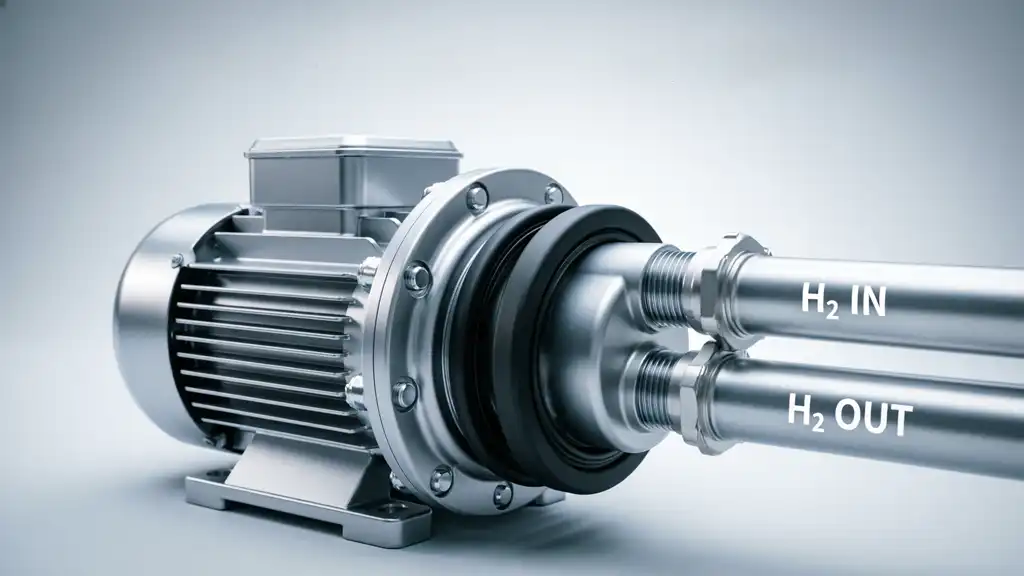
Industrial Applications of Hydrogen Pumps with Advanced Sealing Technology
Advanced sealing technologies have enabled the use of hydrogen pumps in a wide range of industrial applications. Understanding these applications helps identify specific sector needs and develop appropriate solutions.
Hydrogen Refueling Stations
Hydrogen refueling stations represent one of the most important applications of hydrogen pumps. These stations require pumps capable of compressing hydrogen to high pressures (typically 350 or 700 bar). Sealing systems in these pumps must withstand repeated pressure and depressurization cycles while maintaining very low leakage rates. With the expansion of refueling station networks, demand for reliable, cost-effective pumps has increased.
Green Hydrogen Production
Producing hydrogen through water electrolysis using renewable energy, known as “green hydrogen,” is experiencing rapid growth. Hydrogen pumps in this process transfer produced hydrogen from the electrolyzer to storage or distribution systems. Since green hydrogen production often occurs at large scale and continuously, pumps must have high durability and low maintenance requirements.
Chemical and Petrochemical Industries
Hydrogen is used in many chemical processes such as hydrogenation, ammonia production, and oil refining. In these applications, hydrogen pumps must operate in corrosive environments and at high temperatures. Sealing systems must prevent hydrogen leakage while also resisting other chemicals.
Energy Storage
Hydrogen is gaining attention as a long-term energy storage method. In these systems, excess energy from renewable sources produces hydrogen through electrolysis, and the generated hydrogen is stored. When energy is needed, hydrogen is converted back to electricity through fuel cells or turbines. Hydrogen pumps play a key role in transferring hydrogen between different stages of this cycle.
Maritime and Aviation Transport
The maritime and aviation transport sectors are seeking solutions to reduce carbon emissions, with hydrogen emerging as a promising option. Hydrogen-powered ships and aircraft require complex fuel supply systems that include hydrogen pumps with reliable sealing systems. Weight and space limitations in these applications necessitate compact, lightweight designs.
Safety Standards and Regulations
With the expanding use of hydrogen, developing comprehensive safety standards and regulations has become essential. These standards define specific requirements for designing, manufacturing, installing, and maintaining sealing systems.
International Standards
International standards organizations such as ISO and IEC have published numerous standards for hydrogen systems. For example, ISO 19880 specifies safety requirements for hydrogen refueling stations and includes sections related to sealing systems. ISO 11114 defines material compatibility testing methods with hydrogen.
Performance and Durability Testing
Sealing systems must undergo rigorous testing to verify their performance and durability. These tests include leakage tests, cyclic pressure tests, thermal tests, and long-term tests. Test results must comply with relevant standard requirements.
 Read More :
BEST CHOICE: “Pump Seal Troubleshooting Guide 2026
Read More :
BEST CHOICE: “Pump Seal Troubleshooting Guide 2026
Certifications and Approvals
Many countries and regions have specific certification requirements for hydrogen equipment. Obtaining these certifications typically requires providing complete technical documentation, test results, and independent inspections. Hydrogen pump manufacturers must ensure compliance with these requirements to sell their products in target markets.
Standard Scope Key Requirements Applicability ISO 19880 Refueling stations Leakage rates, material compatibility Global ISO 11114 Material testing Hydrogen embrittlement resistance Global SAE J2601 Fueling protocols Pressure, temperature limits North America EN 17124 European standards Safety margins, testing procedures Europe CGA Guidelines Compressed gas General safety practices Industry-wide
Future Outlook and Emerging Trends
The future of sealing technology in hydrogen pumps looks promising, with several emerging trends shaping this industry.
Artificial Intelligence and Machine Learning
The application of artificial intelligence and machine learning in optimizing sealing system design and predicting failures is expanding. Machine learning algorithms can identify complex patterns in performance data and provide design improvement suggestions. Additionally, predictive systems can determine optimal timing for preventive maintenance, preventing sudden failures.
Two-Dimensional Materials
Two-dimensional materials such as graphene and molybdenum disulfide possess unique properties that make them ideal for hydrogen sealing applications. These materials have atomic thickness but provide high mechanical strength and very low hydrogen permeability. Research in this area continues, and more commercial applications are expected in coming years.
3D Printing
3D printing technology enables the manufacture of sealing components with complex, optimized geometries. This technology can reduce production time and costs while enabling faster customization. Additionally, 3D printing with advanced composite materials is under development, which could provide better sealing properties.
Circular Economy and Sustainability
With increasing attention to environmental sustainability, demand for recyclable sealing systems with low environmental impact has grown. Developing environmentally friendly materials and production processes is an industry priority. Additionally, designing systems with longer lifespans and lower maintenance needs helps reduce resource consumption and waste generation.
International Collaboration
International collaborations between universities, research centers, and industrial companies are increasing. These partnerships enable knowledge and resource sharing, accelerating innovation. Joint research projects in Europe, Asia, and North America are currently underway and have produced promising results.
Frequently Asked Questions (FAQ)
Q1: Why is sealing technology so critical for hydrogen pumps?
A: Hydrogen is the smallest molecule in nature and has exceptional permeability through materials. Without proper sealing, hydrogen can escape easily, leading to energy loss, reduced efficiency, and serious safety hazards due to its flammability. Effective sealing ensures system integrity, operational safety, and economic viability of hydrogen applications.
Q2: What is hydrogen embrittlement, and how does it affect sealing systems?
A: Hydrogen embrittlement is a phenomenon where hydrogen atoms penetrate metal structures, causing brittleness and crack formation. This weakens sealing components like bolts, gaskets, and housing materials, potentially leading to catastrophic failures. Using hydrogen-resistant materials such as certain stainless steels, nickel alloys, and specialized polymers helps mitigate this risk.
Q3: How do modern sealing technologies compare to traditional methods?
A: Modern sealing technologies offer significant improvements over traditional methods. Advanced composite materials provide better barrier properties, nano-coatings create ultra-thin effective barriers, and non-contact designs eliminate wear issues. Smart sensors enable predictive maintenance, while AI-driven optimization accelerates development. These innovations result in longer service life, lower maintenance costs, and improved safety compared to conventional rubber or metal seals.
Q4: What are the typical leakage rates acceptable in hydrogen pump applications?
A: Acceptable leakage rates vary by application but are generally extremely low. For most industrial applications, leakage rates below 10^-6 mbar·l/s are required. In safety-critical applications like refueling stations, rates may need to be below 10^-9 mbar·l/s. These stringent requirements necessitate precision manufacturing and high-quality materials.
Q5: How long do hydrogen pump sealing systems typically last?
A: Service life varies based on operating conditions, maintenance practices, and technology used. Traditional sealing systems may require replacement every 1-3 years under continuous operation. Advanced systems with non-contact designs or superior materials can last 5-10 years or more. Regular monitoring and preventive maintenance can significantly extend service life.
Q6: What role does temperature play in hydrogen sealing performance?
A: Temperature significantly affects sealing performance. High temperatures can cause material degradation, reduced elasticity, and increased permeability. Low temperatures may cause material brittleness and contraction, creating gaps. Thermal cycling (repeated heating and cooling) creates additional stress. Modern sealing systems are designed to operate effectively across wide temperature ranges, typically from -40°C to +150°C or beyond.
Q7: Are there environmental concerns with hydrogen sealing materials?
A: Yes, environmental considerations are increasingly important. Traditional sealing materials may contain substances harmful to the environment. The industry is moving toward eco-friendly alternatives, recyclable materials, and manufacturing processes with lower carbon footprints. Regulatory pressures and corporate sustainability goals are driving this transition.
Q8: How much do advanced hydrogen sealing systems cost compared to conventional ones?
A: Advanced sealing systems typically have higher initial costs, ranging from 20-50% more than conventional systems. However, they offer lower total cost of ownership through reduced maintenance, longer service life, fewer unplanned shutdowns, and improved safety. For critical applications, the investment in advanced sealing technology usually pays for itself within 2-4 years.
Q9: Can existing hydrogen pumps be retrofitted with improved sealing technology?
A: In many cases, yes. Retrofitting depends on the pump design, age, and condition. Some manufacturers offer upgrade kits for common pump models. However, complete retrofitting may require significant engineering assessment and modification. For older pumps, replacement with new models featuring advanced sealing may be more cost-effective.
Q10: What certifications should I look for when purchasing hydrogen pump sealing systems?
A: Look for certifications including ISO 19880 compliance, ISO 11114 material testing verification, CE marking for European markets, and relevant national certifications. Manufacturer quality certifications such as ISO 9001 are also important. For specific applications, additional certifications may be required, so consult with regulatory experts in your region.
Conclusion
Hydrogen pumps and their associated sealing technology play a vital role in realizing hydrogen’s potential as a clean energy source. Multiple technical challenges, including high hydrogen permeability, hydrogen embrittlement, and harsh operating conditions, require innovative solutions. Fortunately, recent advances in advanced materials, non-contact designs, smart sensors, and simulation tools have created significant hope for overcoming these challenges.
As hydrogen applications expand across various industries from transportation to energy production, demand for high-performance hydrogen pumps with reliable sealing systems will increase. Continued investment in research and development, international collaboration, and comprehensive standard development are essential to ensure the safety and reliability of these systems.
The future of hydrogen sealing technology will be shaped by the integration of artificial intelligence, two-dimensional materials, 3D printing, and sustainability principles. These developments will not only improve sealing system performance and durability but also reduce costs and make hydrogen energy accessible for broader applications. As this trend continues, hydrogen can play a pivotal role in the global transition toward clean, sustainable energy, helping to mitigate climate change and preserve the environment for future generations.