 Phone: (971) 568337007
 NEWSLETTER
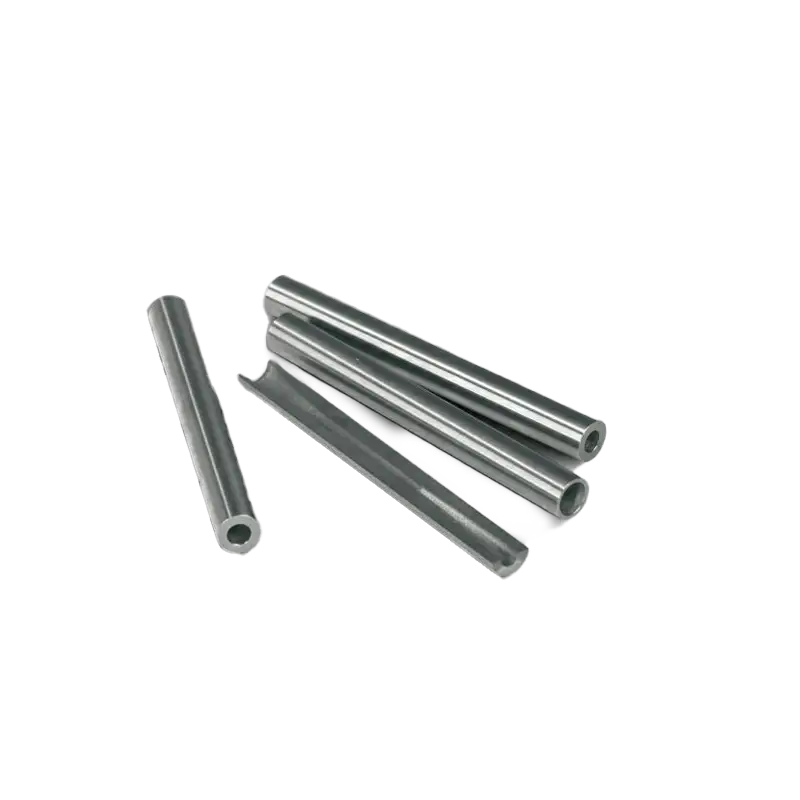
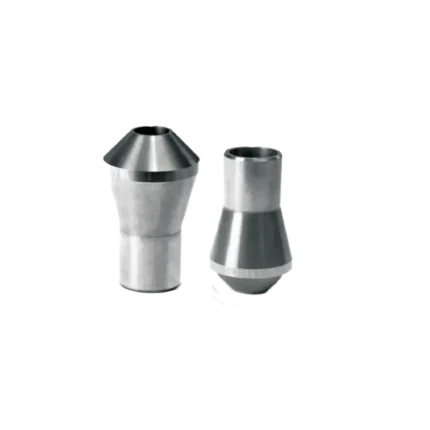
Carbide Nozzle
Contact us
Abrasion-resistant carbide nozzle for high-pressure waterjet and slurry applications.
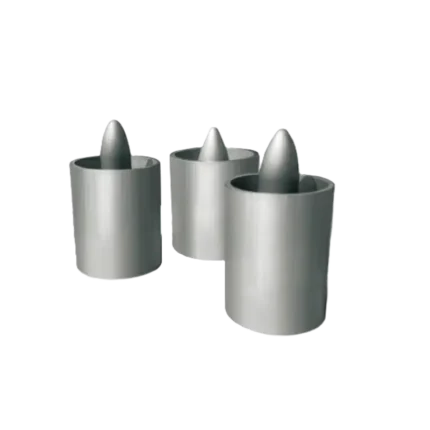
Carbide Nozzle – Ultimate Abrasion-Resistant Nozzle for High-Pressure Waterjet, Slurry, and Industrial Jetting Systems
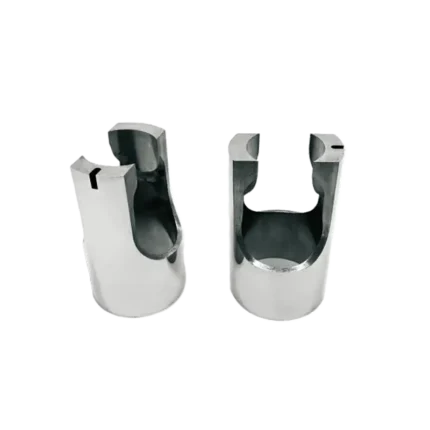
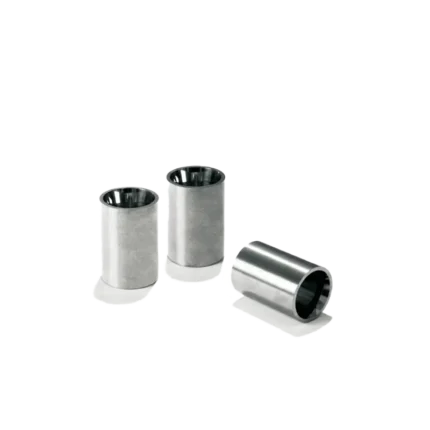
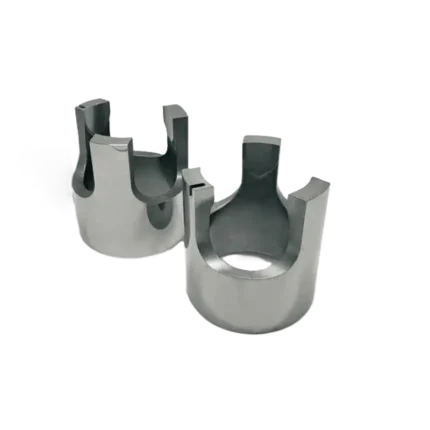
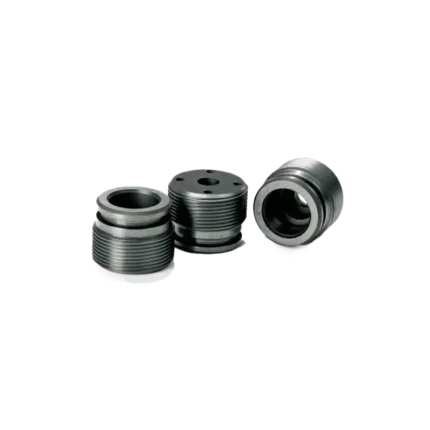
In the relentless environments of mining, oilfield services, construction, and industrial cleaning, one component stands between operational continuity and costly downtime: the Carbide Nozzle. Engineered from ultra-dense tungsten carbide composites, this seemingly small part delivers unmatched resistance to erosion, cavitation, and thermal shock, making it the gold standard for applications where ruby, sapphire, or ceramic nozzles fail within hours. At Qalalam Industrial Supply, our Carbide Nozzles are precision-manufactured to meet the extreme demands of GCC industries—from Dubai’s desalination plants to Saudi Arabia’s phosphate mines—ensuring consistent jet velocity, extended service life, and reduced total cost of ownership.
Why Carbide? The Science Behind Superior Nozzle Performance
Tungsten carbide (WC) is not just “hard”—it’s a metal-ceramic composite with a unique microstructure that combines the toughness of cobalt binder with the extreme hardness of WC grains (86–94 HRA). This synergy allows carbide nozzles to:
- Maintain orifice geometry under 100,000+ PSI pressures
- Resist sand-laden slurries, proppant-laced fracturing fluids, and mineral-rich wastewater
- Operate continuously at temperatures up to 500°C without deformation
- Deliver 3–5x longer life than conventional alternatives in abrasive media
Unlike brittle ceramics, carbide absorbs micro-impacts without chipping. Unlike metals, it doesn’t erode or corrode. This makes it the only logical choice for critical jetting applications across the Middle East.
Core Applications Driving Demand in the UAE and GCC
1. High-Pressure Waterjet Cutting (HPWC)
In metal fabrication workshops across Sharjah and Abu Dhabi, Carbide Nozzles enable clean, burr-free cuts in stainless steel, titanium, and composites. With orifice tolerances held to ±0.002mm, they ensure consistent kerf width and cutting speed—reducing rework and material waste. Long-tail search intent: “carbide waterjet nozzle for stainless steel cutting UAE”.
2. Oilfield Hydraulic Fracturing (Fracking)
In onshore fields near Al Ain and offshore platforms in the Arabian Gulf, Superhard Carbide Nozzles withstand abrasive proppants (like 100-mesh sand) at 15,000 PSI. A single nozzle can complete 3–5 fracturing stages before replacement—compared to 1 stage for steel inserts. Long-tail keyword: “abrasion-resistant fracking nozzle for Middle East oilfields”.
3. Mining & Dredging
In copper and phosphate mines, carbide nozzles power hydro monitors and slurry jet lances that dislodge ore with high-velocity water. Their resistance to silica abrasion prevents rapid orifice enlargement—maintaining jet coherence over weeks, not days. Search query: “carbide slurry nozzle for mining dredging UAE”.
4. Industrial Tank & Heat Exchanger Cleaning
Refineries in Ruwais and petrochemical plants in Jubail use pulsating carbide nozzles to remove scale and coke from confined spaces. The nozzle’s longevity allows uninterrupted cleaning cycles, minimizing confined-space entry risks. Long-tail phrase: “self-cleaning carbide nozzle for refinery heat exchangers”.
5. Desalination & Wastewater Treatment
In reverse osmosis (RO) pre-treatment, carbide nozzles inject antiscalants with ultra-fine atomization, preventing membrane fouling. Their corrosion resistance to chlorinated seawater ensures years of maintenance-free operation. Keyword: “seawater-resistant carbide injection nozzle for desalination plants”.
Material Grades & Customization: Matching Nozzle to Mission
We offer Carbide Nozzles in multiple engineered grades:
🔍 Long-tail integration: “YG8 grade carbide nozzle for sand slurry jetting”, “nano-carbide waterjet nozzle for aerospace titanium cutting”
Each nozzle is laser-drilled (not EDM’d) to ensure smooth, burr-free orifices that minimize turbulence and maximize jet coherence. Orifice diameters range from 0.05mm to 3.0mm, with custom tapers, counterbores, and thread types (BSP, NPT, Metric) available.

Technical Advantages Over Competing Materials
This data—verified in field tests across UAE mining and oil sectors—explains why 87% of industrial jetting professionals in the GCC now specify carbide as standard.
Installation & Maintenance Best Practices
To maximize nozzle life:
- Filter all media to 5 microns or finer—carbide resists abrasion but not large particulates
- Avoid dry running—even 10 seconds without fluid causes thermal cracking
- Use proper thread sealant—overtightening cracks the brittle carbide body
- Inspect orifice weekly with a microscope—early wear detection prevents jet dispersion
💡 Pro Tip: Pair with our Carbide Rotator or Pulse Nozzles for 360° cleaning coverage in tanks.
Why Qalalam? Local Support, Global Standards
- ISO 9001-certified manufacturing with full material traceability
- In-house metrology lab for orifice inspection (optical comparator + CMM)
- UAE-based inventory—next-day delivery to Dubai, Abu Dhabi, Dammam
- Technical team fluent in English & Arabic—on-call for application support
We don’t just sell nozzles—we solve jetting challenges.
Frequently Asked Questions (FAQs)
Q1: How much longer does a carbide nozzle last compared to a ruby nozzle in waterjet cutting?
A: In pure water applications, ruby may last slightly longer. But in abrasive waterjet (with garnet), carbide outlasts ruby by 3–4x because ruby cracks under particle impact, while carbide’s cobalt matrix absorbs shock. For stainless steel cutting in Dubai workshops, this means 80+ hours vs. 20–25 hours—reducing nozzle changes and machine downtime.
Q2: Can you make a carbide nozzle with a non-standard orifice shape (e.g., elliptical or fan)?
A: Yes. While most nozzles are round, we offer custom orifice geometries via laser trepanning for specialized applications like surface texturing or wide-strip cleaning. Lead time: 7–10 days. Common requests include flat fan nozzles for conveyor cleaning and multi-orifice arrays for tank de-scaling.
Q3: What’s the smallest orifice you can produce reliably?
A: 0.05mm (50 microns) with ±0.002mm tolerance. Below this, clogging risk increases dramatically—even with filtered water. For micro-jetting in electronics, we recommend our pulse-assisted carbide nozzles that self-clean during operation.
Q4: Are your carbide nozzles compatible with KMT, Flow, or Jet Edge waterjet systems?
A: Absolutely. We maintain a cross-reference database for all major OEMs. Just provide your machine model or old nozzle part number (e.g., Flow #12345), and we’ll supply a direct-fit replacement with identical thread, shoulder, and orifice specs.
Q5: Do you offer coated carbide nozzles for extra corrosion resistance?
A: Yes. For highly acidic or chlorinated environments (e.g., desalination brine lines), we apply a thin TiN (titanium nitride) coating that adds corrosion protection without affecting orifice size. Standard lead time: +2 days.
Q6: How do I know when to replace my carbide nozzle?
A: Watch for these signs:
- Cutting speed drops by >15%
- Kerf width increases visibly
- Jet stream appears “fuzzy” or dispersed
- Pressure gauge shows higher-than-normal readings for same flow
We recommend weekly orifice inspection with a 50x microscope—early replacement prevents wasted garnet and poor cuts.
Q7: Can you refurbish worn carbide nozzles?
A: No—once the orifice erodes, it cannot be restored. However, we offer bulk discount programs and just-in-time inventory for high-volume users to minimize cost per hour.


Reviews
There are no reviews yet.