 Phone: (971) 568337007
Blog
Wastewater Pumps: Common Sealing Challenges and Their Proven Solutions

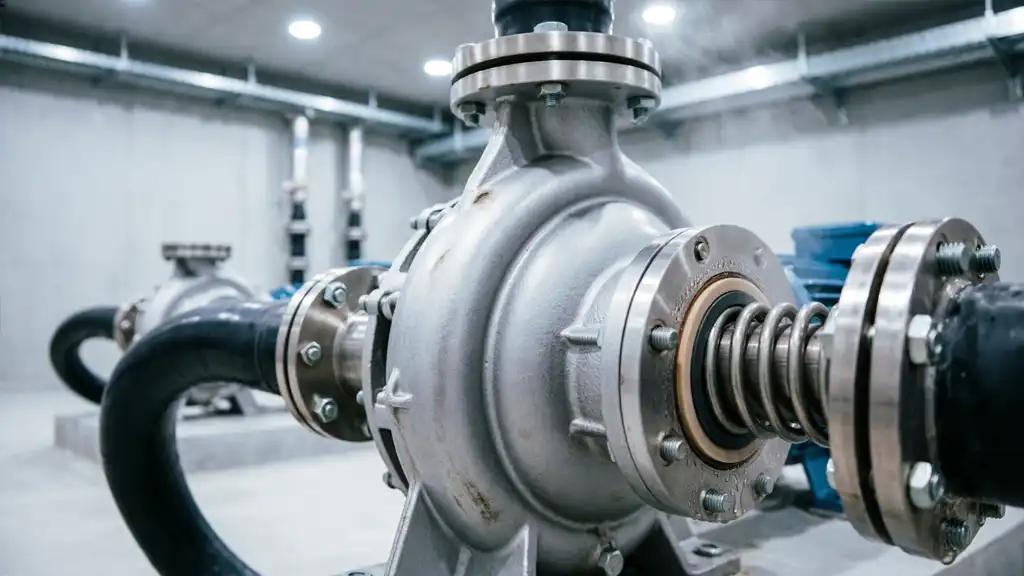
In the demanding world of industrial fluid handling, few components are as critical—and as vulnerable—as the mechanical seal. For facilities managing industrial wastewater pumps, seal failure is not just a minor maintenance hiccup; it is a direct threat to operational continuity, environmental compliance, and the bottom line. A single unexpected leak can halt production, trigger regulatory fines, and result in costly emergency repairs.
If you are an engineer, a purchasing manager, or a maintenance expert, you already know that wastewater is the ultimate enemy of pump sealing systems. It is abrasive, chemically aggressive, and often laden with unpredictable solids.
This comprehensive guide breaks down the most common pump sealing challenges in wastewater applications and provides actionable, industry-proven solutions. By understanding the root causes of seal failure causes and implementing advanced pump seal solutions, your facility can drastically reduce downtime, extend equipment lifespan, and achieve a stronger return on investment.
“Whether you are troubleshooting an existing system or designing a new facility, investing in high-quality wastewater treatment equipment and industrial pump solutions is the first step toward long-term operational success.”
The Critical Role of Sealing in Wastewater Pumps
Mechanical seals are the unsung heroes of pump reliability. Their primary job is simple: prevent the pumped fluid from leaking out along the rotating shaft while keeping external contaminants from entering the pump housing. However, in wastewater applications, this task becomes exponentially more difficult.
Unlike clean water, wastewater contains a chaotic mixture of suspended solids, corrosive chemicals, and fibrous materials. When a standard sealing system is subjected to these conditions, the margin for error shrinks to zero. A compromised seal doesn’t just leak; it allows abrasive particles to score the seal faces, leading to rapid thermal degradation and catastrophic O-ring failure.
Understanding how to prevent wastewater pump seal failure starts with recognizing that wastewater is not a uniform fluid. It varies wildly depending on the source—whether it’s municipal sewage, chemical plant effluent, or mining slurry. Therefore, a one-size-fits-all approach to pump sealing systems is a guaranteed path to premature failure.
Top 5 Common Sealing Challenges in Wastewater Pumps
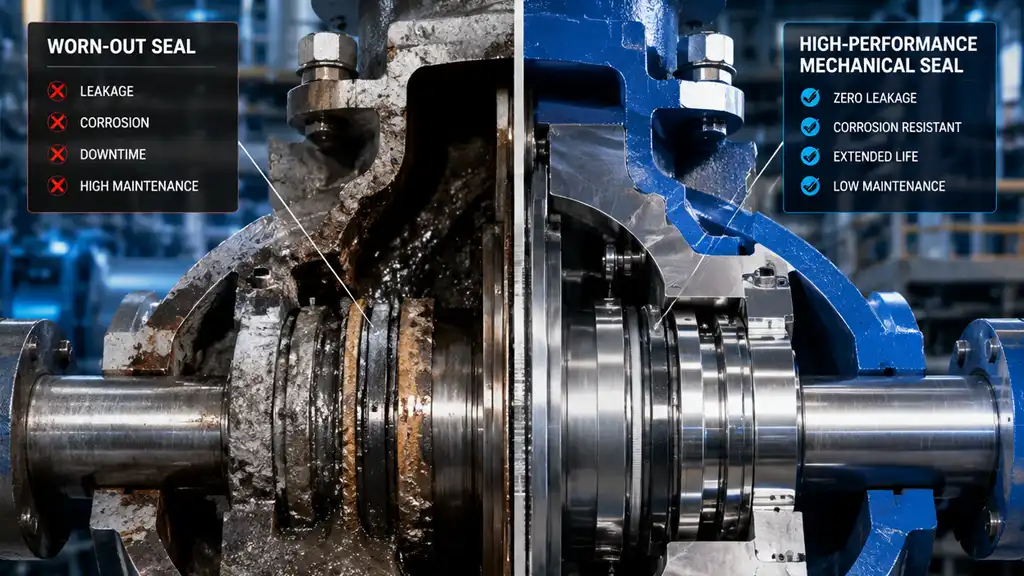
To effectively troubleshoot wastewater pump seal leaks, we must first identify what is destroying them. Based on industry data and field reports, these five factors account for over 80% of all premature seal failures in wastewater environments.
1. Abrasive Wear and Particle Intrusion
Wastewater is rarely clean. It frequently contains sand, grit, scale, and other abrasive particles. When these microscopic invaders slip past the primary seal faces, they act like sandpaper.
- The Mechanism: Abrasives embed themselves in the softer seal face (often carbon), scratching and grooving the harder mating ring (like silicon carbide).
- The Result: This destroys the microscopic fluid film that lubricates the seal faces, leading to rapid wear, increased friction, and eventual catastrophic leakage. Finding the best mechanical seals for abrasive wastewater requires materials that resist this embedment.
2. Dry Running and Thermal Degradation
Mechanical seals rely on a thin film of the pumped fluid to lubricate and cool the seal faces. In wastewater applications, fluctuating tank levels, clogged intakes, or sudden process changes can lead to dry running.
- The Mechanism: Without fluid, friction between the seal faces generates extreme heat in seconds.
- The Result: This thermal degradation can vaporize the remaining fluid (causing flashing), crack the seal faces, or melt the elastomeric secondary seals (O-rings and wedges). Dry run protection is not a luxury; it is a mandatory safeguard for modern pump sealing systems.
3. Chemical Attack and Elastomer Swelling
Industrial wastewater often contains aggressive solvents, acids, bases, or hydrocarbons. The metal and hard face materials of a seal might be resistant, but the elastomers (O-rings, bellows) are highly vulnerable.
- The Mechanism: Incompatible elastomers exposed to harsh chemicals will swell, shrink, harden, or crack. For example, standard Nitrile (Buna-N) will rapidly degrade when exposed to certain oils or ozone.
- The Result: Choosing the right elastomer for wastewater pumps is critical. An O-ring failure compromises the static sealing of the assembly, allowing fluid to bypass the seal entirely, regardless of how pristine the seal faces remain.
4. Shaft Deflection and Misalignment
Pumps do not operate in a perfect vacuum. External piping forces, bearing wear, or improper installation can cause the pump shaft to bend or wobble during operation.
- The Mechanism: Mechanical seals are designed to tolerate only a very small amount of shaft deflection (typically less than 0.002 inches). Excessive runout forces the seal faces to open and close rapidly with every rotation.
- The Result: This “pumping” action breaks the lubricating fluid film, accelerates face wear, and quickly leads to mechanical seal leakage in pumps.
5. Cavitation and Vibration Damage
Cavitation occurs when the pressure at the pump suction drops below the vapor pressure of the liquid, forming vapor bubbles that violently collapse against the pump internals.
- The Mechanism: These collapsing bubbles create intense shockwaves and high-frequency vibration.
- The Result: Beyond damaging the pump impeller, this vibration is transferred directly to the mechanical seal. It can fracture brittle seal faces (like ceramic or certain grades of silicon carbide) and loosen the mechanical setting of the seal assembly.
Advanced Solutions and Best Practices for Pump Sealing
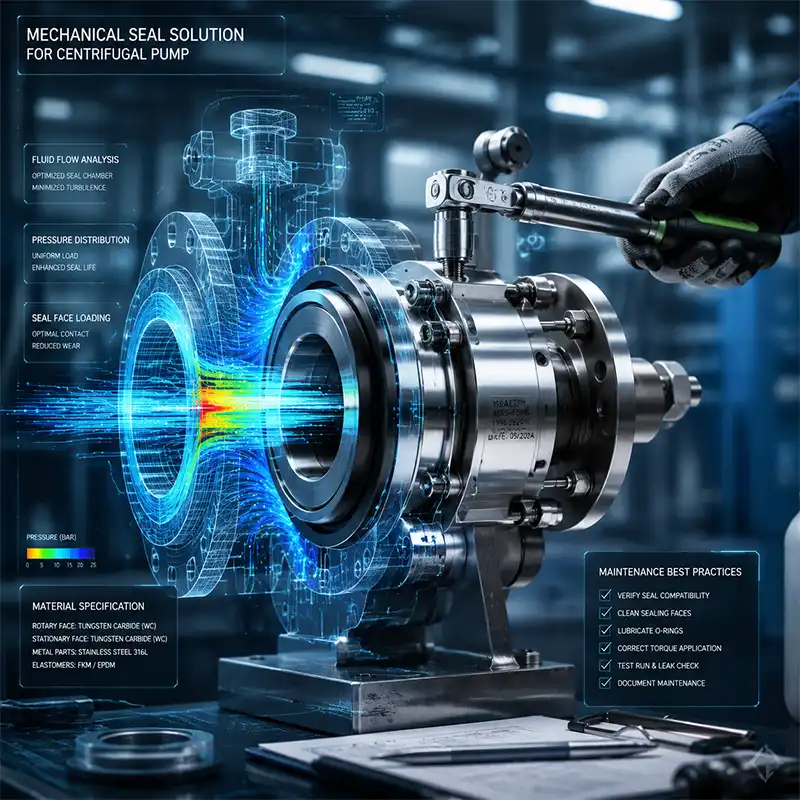
Identifying the problem is only half the battle. Extending mechanical seal life in sewage pumps and industrial applications requires strategic upgrades and strict adherence to engineering best practices. Here is how top-tier facilities are solving these challenges.
Upgrading to Double Mechanical Seals
For severe wastewater applications, a single mechanical seal is often insufficient. Upgrading wastewater pump sealing systems to a double mechanical seal configuration provides a robust, fail-safe barrier.
- Tandem Seals: Two seals are arranged in series. The primary seal handles the process pressure, while the secondary seal acts as a backup. A leak detection port between them alerts operators to primary seal failure before process fluid reaches the atmosphere.
- Dual Pressurized Seals: A barrier fluid is maintained at a pressure higher than the pump stuffing box pressure. This ensures that if the inner seal fails, clean barrier fluid leaks into the process, preventing hazardous wastewater from escaping into the environment. This is the gold standard for environmental compliance in wastewater pumping.
Implementing API 682 Flush Plans
Relying on the dirty wastewater to lubricate the seal is a recipe for disaster. Implementing standardized wastewater pump seal flush plans (as defined by API 682 / ISO 21049) is a game-changer.
- Plan 32 (External Flush): Injects clean, cool water from an external source directly into the seal chamber. This dilutes the wastewater, cools the seal faces, and prevents abrasive particles from settling. Crucial for highly abrasive slurry pump sealing solutions.
- Plan 52 (Unpressurized Dual Seal): Uses an external reservoir to provide a buffer fluid to the outer seal. It’s a cost-effective way to contain leaks and provide basic lubrication for the secondary seal.
- Plan 53A (Pressurized Dual Seal): Features a pressurized barrier fluid reservoir with a bladder accumulator. It guarantees that clean fluid is always pushed into the seal chamber, completely isolating the seal faces from the harsh wastewater.
Selecting the Right Face and Elastomer Materials
Material selection dictates seal longevity. When specifying components, consider these industry-proven pairings:
 Read More :
BEST CHOICE: “Pump Seal Troubleshooting Guide 2026
Read More :
BEST CHOICE: “Pump Seal Troubleshooting Guide 2026
- Seal Faces:
- Silicon Carbide (SiC) vs. Silicon Carbide: The ultimate pairing for abrasive and dirty fluids. It offers exceptional hardness, thermal conductivity, and chemical resistance.
- Tungsten Carbide: A highly durable, cost-effective alternative to SiC, excellent for general wastewater with moderate abrasives.
- Elastomers:
- FKM (Viton®): Superior resistance to high temperatures, oils, and a wide range of chemicals. Ideal for industrial chemical wastewater.
- EPDM: The best choice for hot water, steam, and specific polar solvents, though it must be kept away from hydrocarbons and oils.
- FFKM (Perfluoroelastomer): For extreme chemical environments where budget is secondary to absolute reliability.
Integrating Smart Monitoring and Predictive Maintenance
Reactive maintenance is expensive. Shifting to predictive maintenance for pump sealing systems allows facilities to address issues before they cause unplanned downtime.
- Vibration Analysis: Continuous monitoring detects shaft misalignment or bearing wear early, preventing secondary damage to the seal.
- Leak Detection Sensors: Installed in the atmospheric side of the seal or the buffer fluid reservoir, these sensors trigger immediate alarms at the first sign of moisture or pressure drop.
- Temperature Probes: Monitoring seal chamber temperature helps identify dry running or inadequate flush flow before thermal degradation occurs.
The rise of hydrogen energy is creating new demands for pumps, mechanical seals, and sealing materials. Explore the latest innovations, challenges, and future trends in hydrogen sealing technology and discover why it is becoming a key focus for the energy industry.
Real-World Industrial Case Study: Overcoming Seal Failure
The Scenario: A mid-sized municipal wastewater treatment plant was experiencing chronic failures on their primary raw sewage lift pumps. The facility was using standard single carbon-ceramic seals.
The Problem: The pumps were failing every 3 to 4 months. Maintenance logs pointed to rapid face wear and frequent O-ring failure. The root cause analysis revealed that high levels of grit and occasional dry-running events during low-flow periods were destroying the seals. The cost of pump seal failure in industrial plants like this was estimated at $15,000 per incident (including parts, labor, and overtime), not factoring in the environmental risk of sewage overflow.
The Solution: The engineering team decided to upgrade the sealing system. They implemented the following changes:
- Upgraded to a pressurized dual seal (API Plan 53A).
- Changed seal faces to Silicon Carbide vs. Silicon Carbide.
- Upgraded elastomers to FKM for better chemical and thermal resistance.
- Installed a basic dry run protection sensor tied to the pump’s VFD (Variable Frequency Drive).
The Result: After 18 months of operation, the Mean Time Between Failures (MTBF) for these pumps increased from 4 months to over 28 months. The facility eliminated unplanned downtime related to seal leaks, reduced maintenance labor costs by 65%, and achieved total peace of mind regarding environmental compliance.
Cost-Benefit Analysis: Investing in Premium Sealing Systems
Purchasing managers often face pressure to minimize upfront capital expenditure. However, when evaluating the cost of pump seal failure in industrial plants, the Total Cost of Ownership (TCO) tells a different story.
Feature Standard Single Seal Setup Premium Dual Seal Setup (API 53A) Initial Hardware Cost Low ($) High ($) Installation Complexity Low Moderate (requires reservoir setup) Expected Lifespan 3 – 6 months 24 – 36+ months Risk of Environmental Leak High Near Zero Maintenance Labor Cost High (Frequent replacements) Low (Predictable, scheduled maintenance) Overall ROI (3-Year Period) Negative (High downtime costs) Strongly Positive
Data Insight: Industry studies show that for every $1 spent on proactive sealing upgrades and proper flush plans, facilities save approximately $4 to $7 in avoided downtime, emergency labor, and environmental remediation costs.
Mechanical Seal Installation Best Practices
Even the most advanced pump sealing systems will fail if installed incorrectly. Maintenance teams must adhere to strict mechanical seal installation best practices:
- Cleanliness is Paramount: The seal chamber and shaft sleeve must be meticulously cleaned before installation. A single grain of sand can compromise a new seal.
- Check Shaft Runout: Always measure shaft deflection and end-play. If it exceeds the seal manufacturer’s specifications, address the bearing or alignment issues first.
- Lubricate Elastomers: Use a compatible lubricant (never petroleum-based on EPDM) on O-rings and the shaft sleeve to prevent cutting or rolling during installation.
- Set the Correct Compression: Follow the manufacturer’s setting dimension precisely. Over-compressing the seal can cause premature face wear, while under-compressing it can lead to immediate leakage.
- Bump the Motor: Before final tightening, briefly “bump” the motor to ensure the seal rotates freely and is not binding against the gland plate.
Conclusion
Managing wastewater pumps requires a proactive, engineering-led approach to sealing. The harsh realities of abrasive particles, chemical attack, and thermal degradation mean that standard sealing solutions are rarely adequate. By understanding the common seal failure causes and actively implementing robust pump seal solutions—such as upgrading to dual seals, utilizing API 682 flush plans, and selecting premium materials like Silicon Carbide and FKM—facilities can transform their maintenance operations.
For engineers, maintenance experts, and purchasing managers, the message is clear: do not view the mechanical seal as a cheap, disposable consumable. It is a critical precision component. Investing in the right sealing technology and predictive maintenance strategies is the most effective way to reduce downtime in wastewater treatment plants, ensure environmental compliance, and drive long-term operational profitability.
Frequently Asked Questions (FAQ)
1. How often should mechanical seals in wastewater pumps be replaced? There is no fixed timeline, as it depends on the fluid characteristics and seal type. However, a well-designed dual seal system with proper flush plans should last 2 to 3 years, whereas a standard single seal in harsh wastewater may fail in 3 to 6 months.
2. What is the best mechanical seal material for abrasive wastewater? Silicon Carbide (SiC) running against Silicon Carbide is widely considered the best combination for abrasive wastewater. It offers superior hardness, preventing abrasive particles from embedding and scoring the seal faces.
3. Can a single mechanical seal be used in wastewater applications? Yes, but only in mild, non-abrasive, and non-hazardous wastewater applications. For anything containing solids, grit, or hazardous chemicals, a double mechanical seal is highly recommended to ensure safety and reliability.
4. What is an API 682 Plan 32, and why is it used? Plan 32 involves injecting a clean, external flush fluid (like clean water) into the seal chamber. It is used to cool the seal faces, provide clean lubrication, and prevent abrasive wastewater particles from accumulating in the stuffing box.
5. How does dry running damage a mechanical seal? Mechanical seals require a thin fluid film for lubrication and cooling. Dry running eliminates this film, causing rapid friction and heat buildup. This leads to thermal degradation, cracking of the seal faces, and melting of the elastomeric O-rings within seconds.